What ADA Title II Requires for Public Agencies
Plain-language explanation of digital accessibility obligations, enforcement expectations, and what “public entity” responsibility actually means.
This resource center exists to help state and local government agencies understand and operationalize ADA Title II digital accessibility obligations.
After April 24, 2026, accessibility is not a future initiative. It is an ongoing responsibility tied to public service delivery, digital equity, and regulatory scrutiny.

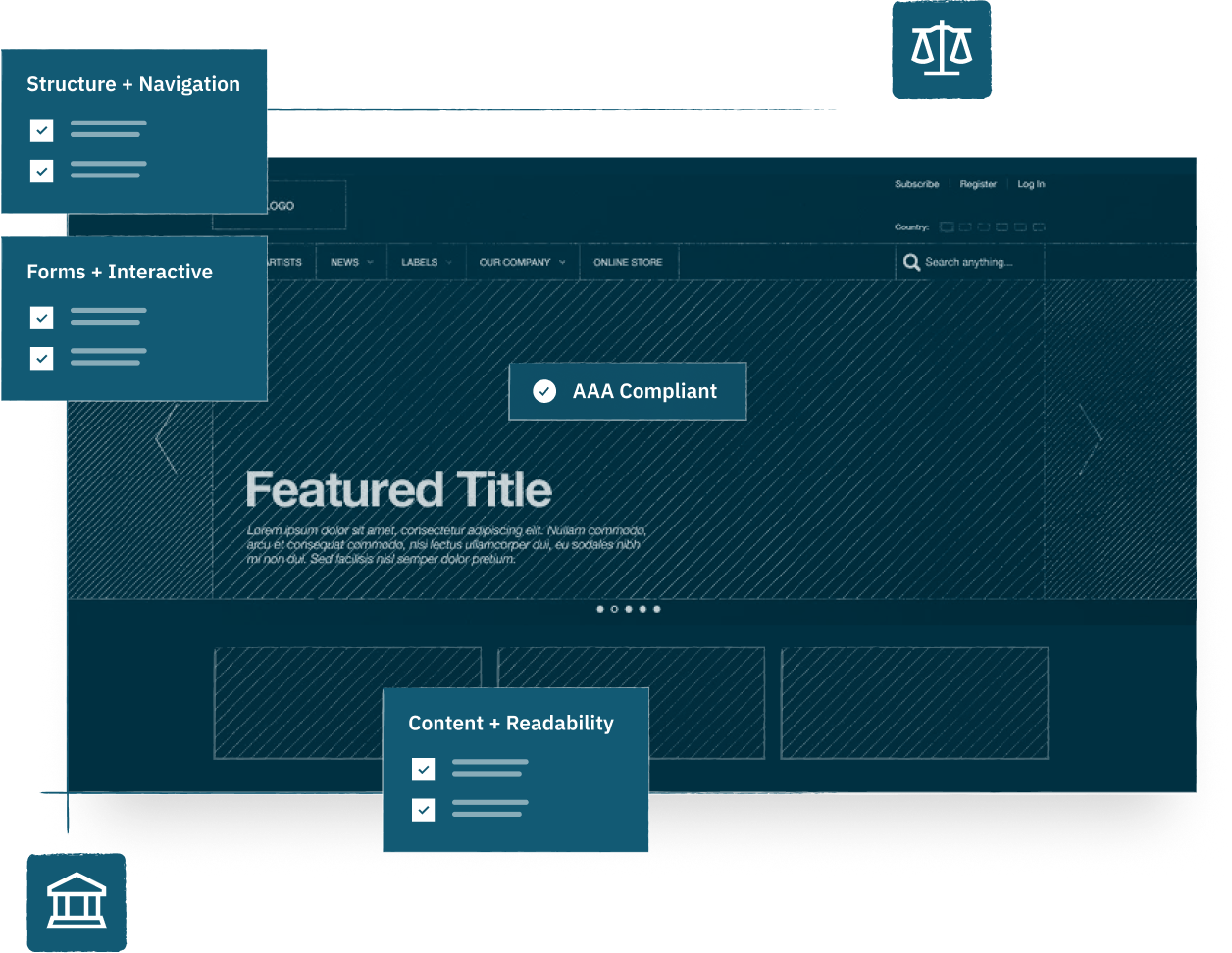
If you oversee a public agency website, portal, or digital service, this is your starting point.
Understanding ADA Title II in 2026 requires more than knowing that WCAG 2.1 AA exists. It requires understanding how digital accessibility obligations translate into operational responsibility.
This section explains:
These foundational articles ensure leadership, IT teams, and communications staff share the same baseline understanding before moving into risk and governance discussions.


Plain-language explanation of digital accessibility obligations, enforcement expectations, and what “public entity” responsibility actually means.
A practical breakdown of WCAG success criteria in real-world public sector terms, not developer jargon.

An overview of enforcement expectations, operational implications, and what agencies should be doing now.
Accessibility discussions often focus on technical errors.
Public agencies must focus on risk.
Under ADA Title II, exposure typically arises not from isolated minor issues, but from structural gaps in workflows, documentation, vendor oversight, and monitoring.
This section examines:
Understanding risk categories allows agencies to prioritize intelligently rather than react emotionally.


Common risk areas: forms, PDFs, embedded tools, third-party vendors, and decentralized content publishing.

What documentation actually demonstrates defensible effort during complaints, audits, or inquiries.
How to structure tracking, prioritization, remediation logs, and reporting for real accountability.
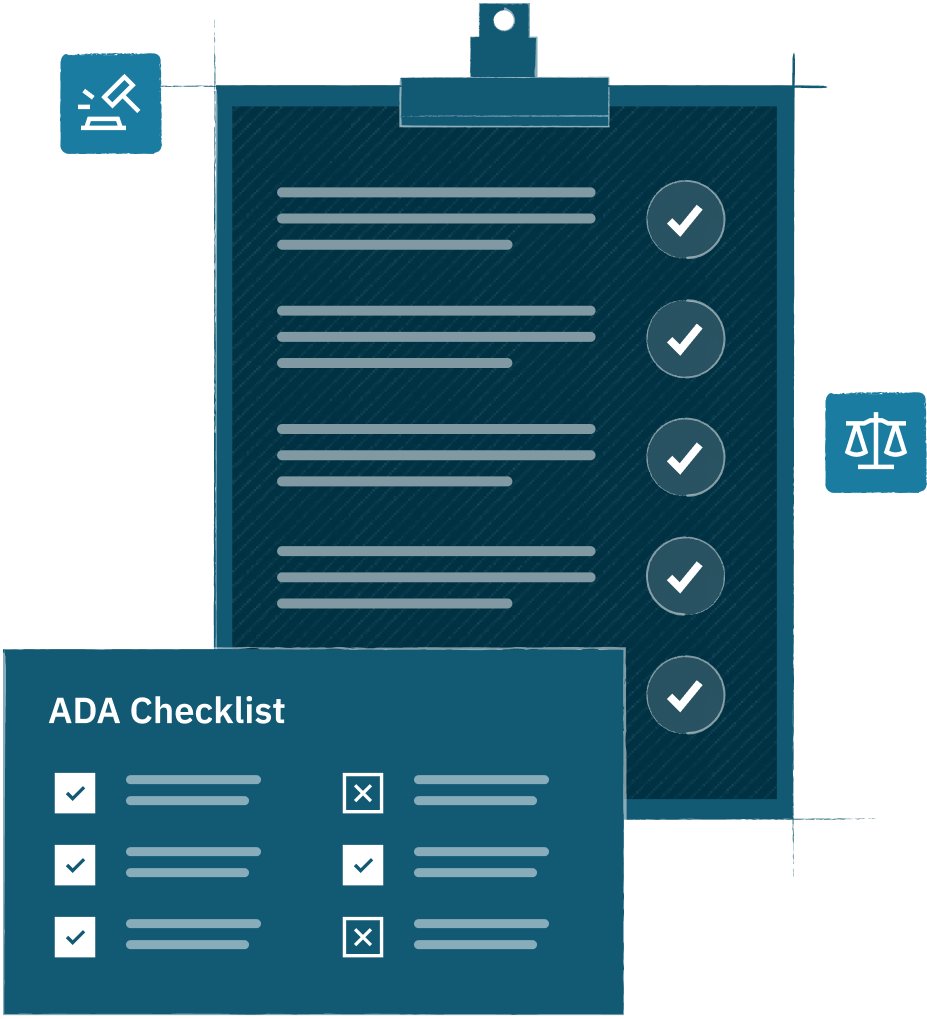
Accessibility fails when it lives in a spreadsheet or a single inbox.
Sustainable ADA compliance requires governance infrastructure — monitoring cadence, remediation allocation, documentation discipline, vendor review, and executive visibility.
This section outlines how agencies move from reactive remediation to institutionalized accessibility programs.
You’ll find guidance on:
Compliance becomes manageable when it becomes structured.


What a real audit includes, how to prioritize findings, and how to translate technical issues into operational decisions.
Why ongoing monitoring and remediation matter more than one-time certification.

A clear breakdown of the difference between remediation projects and sustained governance models.
Not all public agencies face the same accessibility profile.
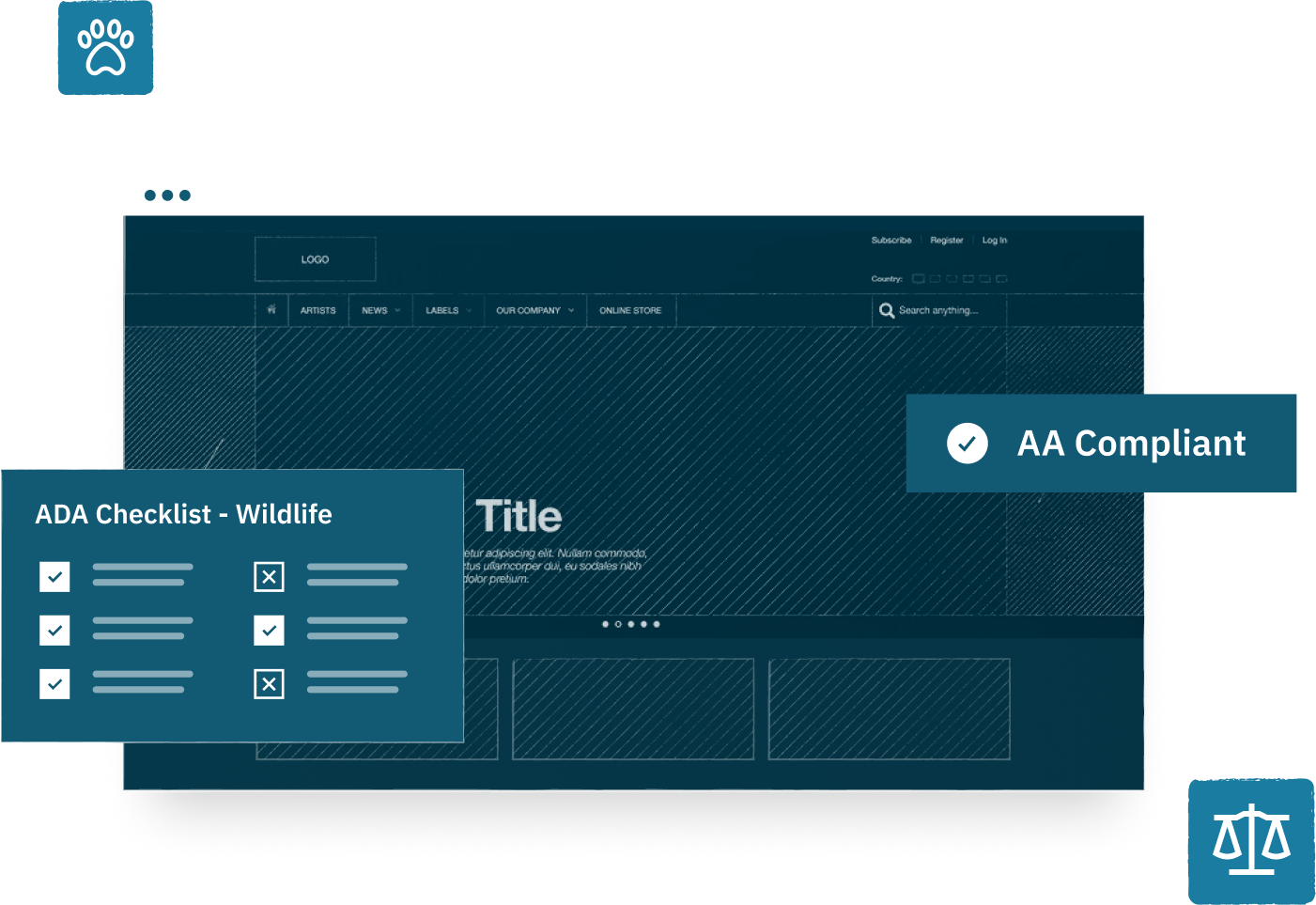
A wildlife department managing license portals and GIS maps faces different structural exposure than a county government managing decentralized publishing and board documents.
A higher education institution with multiple subdomains faces governance challenges different from a transit authority managing real-time dashboards.
This section explores how ADA Title II obligations intersect with operational realities across public-sector verticals.
Understanding your agency’s specific risk profile is essential to building proportionate governance.


Decentralized publishing, PDFs, board agendas, and cross-department workflows.

Maps, licensing systems, seasonal updates, and public engagement tools.

Department-level autonomy and governance complexity.
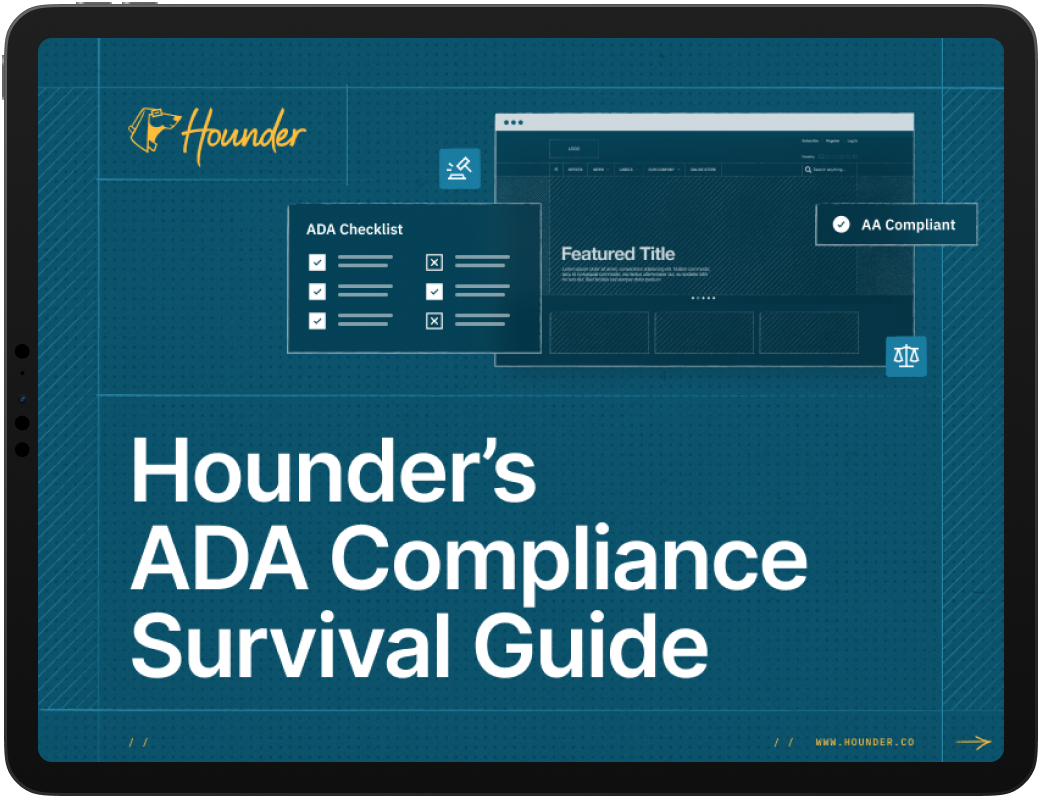

If your agency does not have months to design a full governance overhaul, start here.
These practical guides focus on high-impact actions that reduce visible and structural risk quickly.
They address:
Practical progress is the bridge between awareness and governance.


High-impact improvements that reduce visible and structural risk quickly.

Where overlays help, where they fall short, and why governance still matters.
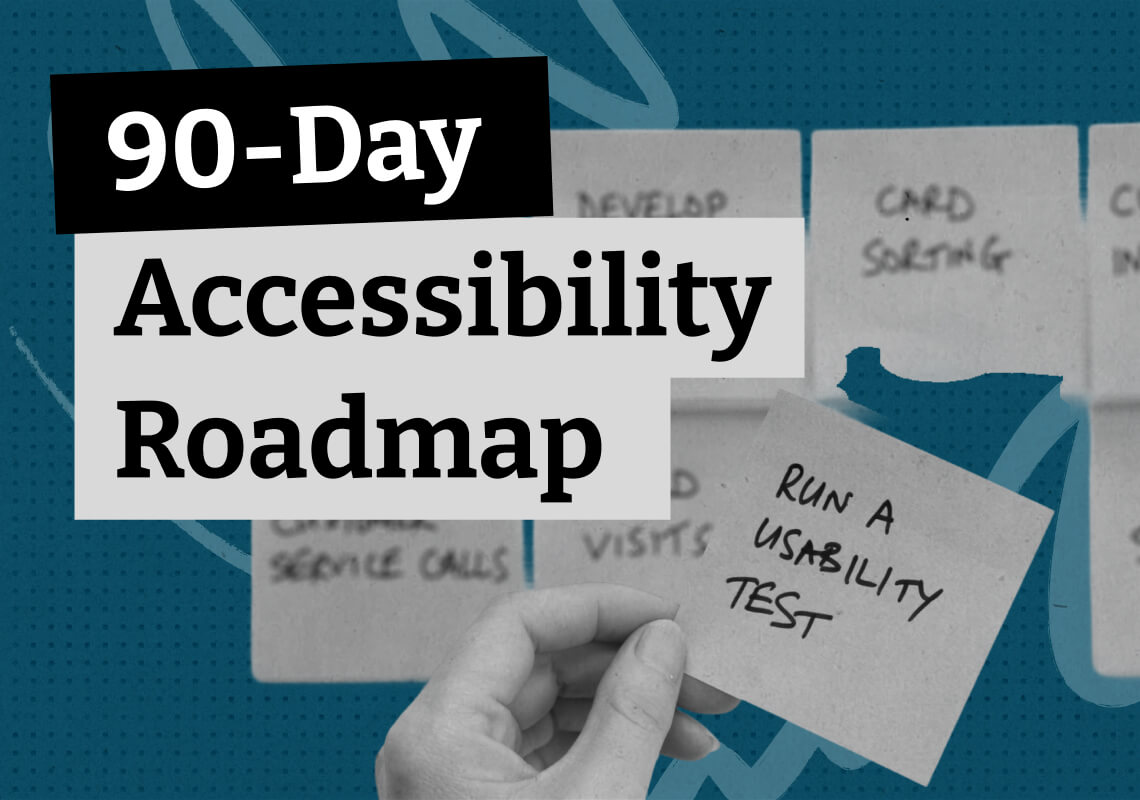
What structured progress looks like if you are not fully compliant yet.
If your agency is responsible for public-facing digital services, accessibility cannot remain reactive. It must be monitored, remediated, documented, and governed. Our ADA Title II retainers are built for public agencies that need structure, not slogans.